Master First Aid, CPR, and AED with DRC Consulting
In emergencies, every second counts. Knowing how to respond effectively can mean the difference between life and death. Whether you are a parent, teacher, coach, or simply someone who wants to be prepared, mastering First Aid, CPR (Cardiopulmonary Resuscitation), and AED (Automated External Defibrillator) skills is essential. DRC Consulting offers comprehensive training programs that equip individuals with the knowledge and confidence to act decisively in critical situations.
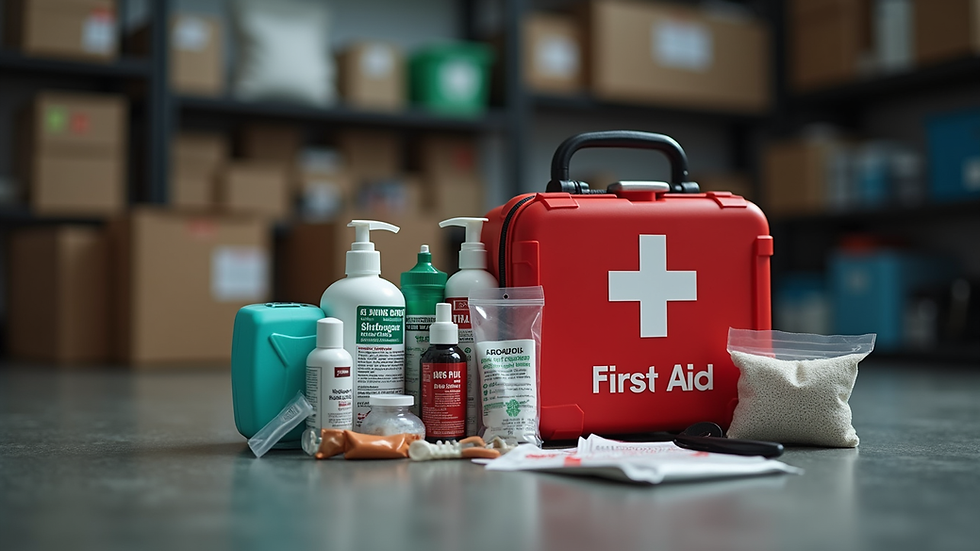
Understanding the Importance of First Aid
First Aid is the immediate assistance provided to someone who is injured or ill. It can be as simple as cleaning a wound or as complex as performing CPR. The primary goals of First Aid are to:
Preserve life: The first priority is to save lives by addressing life-threatening conditions.
Prevent further injury: Stabilizing the injured person helps prevent complications.
Promote recovery: Providing appropriate care can speed up the healing process.
Common First Aid Scenarios
Cuts and Scrapes: Clean the wound, apply antiseptic, and cover it with a bandage.
Burns: Cool the burn under running water and cover it with a sterile dressing.
Sprains and Strains: Rest, ice, compress, and elevate the injured area (RICE method).
Choking: Use the Heimlich maneuver to dislodge the object blocking the airway.
Why Training is Essential
Many people hesitate to act in emergencies due to fear or lack of knowledge. Training in First Aid empowers individuals to respond confidently. DRC Consulting provides hands-on training that includes real-life scenarios, ensuring participants feel prepared when it matters most.
The Life-Saving Skill of CPR
Cardiopulmonary Resuscitation (CPR) is a critical skill that can save lives during cardiac arrest. It involves chest compressions and rescue breaths to maintain blood flow and oxygenation until professional help arrives.
The Steps of CPR
Check Responsiveness: Tap the person and shout to see if they respond.
Call for Help: If unresponsive, call emergency services immediately.
Begin Chest Compressions: Place your hands in the center of the chest and push hard and fast (100-120 compressions per minute).
Give Rescue Breaths: After every 30 compressions, give 2 rescue breaths if trained to do so.
The Importance of Early CPR
Studies show that early CPR can double or triple a victim's chance of survival. The brain can survive without oxygen for only a few minutes, making immediate action crucial. DRC Consulting’s CPR training emphasizes the importance of speed and efficiency, preparing participants to act without hesitation.
Understanding AEDs
Automated External Defibrillators (AEDs) are devices that can restore a normal heart rhythm during sudden cardiac arrest. They are designed to be user-friendly, providing step-by-step audio and visual instructions.
How to Use an AED
Turn on the AED: Open the device and follow the prompts.
Attach the Pads: Place the pads on the bare chest as indicated.
Analyze the Heart Rhythm: The AED will assess whether a shock is needed.
Deliver the Shock: If advised, ensure no one is touching the person and press the shock button.
The Role of AEDs in Emergencies
Having an AED nearby can significantly increase survival rates. DRC Consulting encourages organizations to invest in AEDs and train staff on their use. Knowing how to operate an AED can save lives, especially in public spaces where cardiac arrest can occur unexpectedly.
DRC Consulting’s Training Programs
DRC Consulting offers a variety of training programs tailored to meet the needs of different audiences. Whether you are a healthcare professional, educator, or community member, there is a course for you.
Course Offerings
Basic First Aid: Covers essential skills for treating common injuries and illnesses.
CPR and AED Training: Focuses on life-saving techniques for adults, children, and infants.
Advanced First Aid: Designed for those in higher-risk environments, such as lifeguards or emergency responders.
Benefits of DRC Consulting Training
Hands-On Experience: Participants engage in practical exercises to reinforce learning.
Expert Instructors: Courses are led by certified professionals with real-world experience.
Flexible Scheduling: Training sessions can be customized to fit your schedule.
Real-Life Impact of Training
Consider the story of a teacher who used her CPR training during a school event. A student collapsed, and she immediately recognized the signs of cardiac arrest. Thanks to her training, she performed CPR and used an AED, ultimately saving the student's life. This is just one example of how First Aid, CPR, and AED training can have a profound impact on individuals and communities.
Testimonials from Participants
Participants in DRC Consulting’s programs often share their experiences:
"I never thought I would need these skills, but now I feel empowered to help others."
"The training was engaging and practical. I feel ready to act in an emergency."
Preparing for Emergencies
Being prepared means more than just knowing how to respond. It also involves having the right tools and resources on hand. Here are some steps to ensure you are ready for emergencies:
Create a First Aid Kit: Stock it with essential supplies such as bandages, antiseptics, and a CPR mask.
Know Your Resources: Familiarize yourself with the location of AEDs in your community.
Stay Informed: Regularly update your skills through refresher courses.
Community Involvement
DRC Consulting encourages community involvement in First Aid training. Organizing group sessions can foster a culture of safety and preparedness. Schools, workplaces, and community centers can all benefit from having trained individuals ready to respond to emergencies.
Conclusion
Mastering First Aid, CPR, and AED skills is not just about learning techniques; it is about building confidence and readiness to act in emergencies. DRC Consulting provides the training necessary to empower individuals to make a difference when it matters most.
Take the first step towards becoming a lifesaver. Enroll in a training program today and equip yourself with the skills to respond effectively in emergencies. Remember, your knowledge could save a life.


Comments